Why Do Dogs Eat Grass? Causes, Risks, and When to Worry

Why Do Dogs Eat Grass? Causes, Risks, and When to Worry

Why do dogs eat grass? Most dog parents are worried about. Let’s start to discuss!

As temperatures rise, the vibrant green grass and foliage breathe life into the season. While you may enjoy the lush grass beneath your feet, your pooch trots off into the yard, and you think, "I wonder what he's up to now."

And then your pup grazes the backyard like a tiny cow; you've probably asked yourself, "Why do dogs eat grass?” The short answer: it's usually normal. However, if your furry friend eats grass frequently, there are simple ways to help control the habit. Read on to find more!

Why Does My Dog Eat Grass?

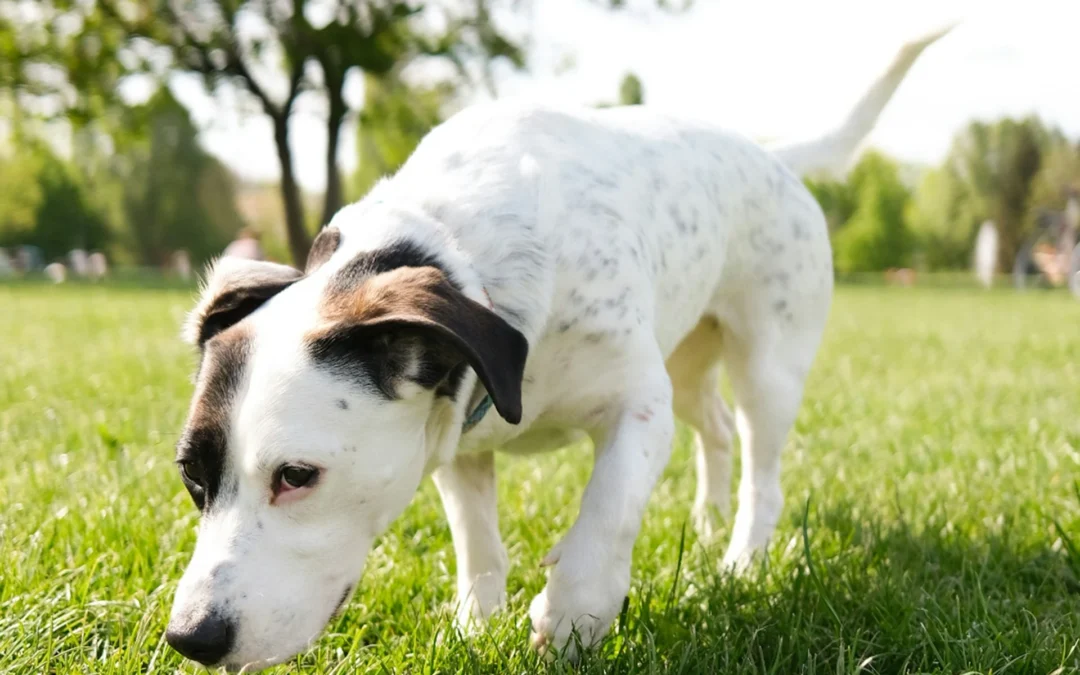
It’s one thing for your dog to lick his paws or chew a bone, but what about eating grass? Why would a dog eat grass, and should you be concerned? You may notice this behavior on walks or in the backyard. While the reasons vary from dog to dog, there are a few common explanations.

Instinct

Why do dogs eat grass? Your pooches descended from wild canines that ate the prey, including the stomach contents of plant-eating animals. Grazing may simply be a leftover instinct.

Fiber and digestion

Grass adds roughness to the digestive tract of your furry friend, which some mutts seem to seek when they need help in digestion.

Boredom or habit

If you leave your best buddy alone in a yard for long periods, then he may nibble grass simply because it gives him something to do in boredom.

Taste and texture

Believe it or not, some pups just like the taste of fresh, dewy grass, especially in spring.

Stomach upset

This is the reason most owners assume, and it's true some of the time, but research suggests it explains only a minority of cases.

So why do dogs eat grass? It could be any of the above, and often it's a combination: a bit of boredom, a bit of taste, and a bit of instinct.

If your dog suddenly starts eating grass excessively, should you be concerned?

Why do dogs eat grass? While eating grass is usually normal, sudden, intense grass-eating can point to the following:


  • A change in diet
  • Acid reflux or nausea
  • Gastrointestinal problem
  • Nutritional deficiency
  • Anxiety

Can Dogs Eat Grass? Is It Harmless?

Generally, yes. Plain, untreated grass (pesticide-free) is not toxic to dogs, and small amounts pose little risk to your healthy pet friend. That answers "Is it ok for dogs to eat grass?" for most everyday situations; an occasional graze isn't something to worry about.

Is it safe for dogs to eat grass?

The answer depends mostly on where the pasture comes from:

Treated lawns

Fertilizers, herbicides, and pesticides can be genuinely dangerous if ingested.

Public spaces

Parks and sidewalks may carry other dogs' waste, parasites, or litter mixed into the grass.

Unknown plants

Not every green thing is grass. Some lawn shrubberies and wild plants are toxic to your furry fellow, so make sure they're actually grazing on a meadow.

If you stick to a pesticide-free yard or a clean patch of park, occasional grazing is low-risk.
Is Grass Good for Dogs?

Nutritionally, grass isn't a meaningful source of vitamins or minerals for your best buddy. Why do dogs eat grass? It's more of a behavioral habit than a dietary requisite. So, should I let my dog eat grass?

As long as:

  1. The grass is free of chemicals.
  2. Not swallowing large tufts
  3. Not replacing meat
  4. No Pica history
  5. Your pup has an up-to-date deworming schedule (due to internal parasites, eating grass with mud is quite natural).

So, is it safe for dogs to eat grass? If grass eating is occasional, then there's usually no reason to stop it.

Dog Eats Grass and Vomits: What It Means When Your Dog Ate Grass and Got Sick!

If your canine friend swallows a bulk amount of grass, it can irritate his stomach and cause vomiting. If your pooch eats grass, vomits, and quickly returns to normal, then there is nothing to worry about. You can usually monitor them closely. However, your dog does eating grass and being sick may indicate an underlying illness or that your pooch swallowed something harmful. It is also important to make sure the grass has not been treated with pesticides, herbicides, or other chemicals. Contact a vet if your best friend continues to be sick or seems unwell.

How to prevent your dog from eating grass?

  • If you think your canine's obsession with grass is related to an upset stomach, try giving him some food or milk before letting him out into the yard.
  • If your mongrel is eating grass because it's bored or stressed, you have to start the daily exercise of 15-20 minutes.
  • If your pup loves the taste or texture of leaves, consider adding dog-friendly herbs and vegetables into their diets, such as carrots, peas, and celery. You could even plant a dog-friendly herb garden, which may include rosemary, basil, and thyme.
  • If you think your dog might be missing certain nutrients in his diet, then provide proper nutrition and commercial supplements to fulfill your pooch’s body mineral requirements.
  • Also, go for the anthelmintic drug Fenbendazole to treat any underlying medical conditions causing this behavior, such as intestinal parasites.

Final Thoughts!

If your mongrel is healthy and eats a balanced diet, eating small amounts of meadow is not a problem. Why do dogs eat grass? Your canine, sugar, is doing it from boredom or depression; find ways to keep him more active or try changing his environment. Moreover, if your canine cum eats large amounts of lawn meadow or starts vomiting, you need to consult a vet professional.
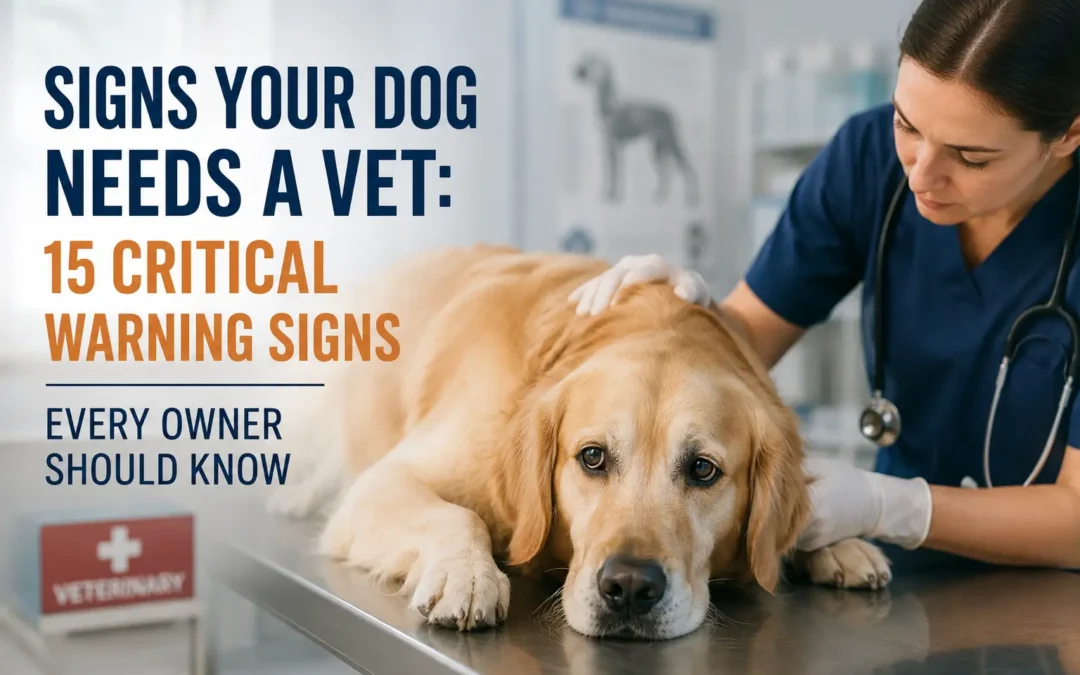

Signs Your Dog Needs a Vet: 15 Critical Warning Signs Every Owner Should Know

Signs Your Dog Needs a Vet: 15 Critical Warning Signs Every Owner Should Know

Dogs can't tell you when something's wrong. They can't point to their stomach or say "this has been bothering me for three days." That's why knowing the signs your dog needs a vet matters so much. Miss the wrong ones, and a treatable problem turns into an emergency. Catch them early, and you might save your dog a lot of pain, and yourself a much bigger vet bill. This guide walks through 15 warning signs that mean it's time to call the vet, plus how to tell the difference between "keep an eye on it" and "go now."

How Do I Know If My Dog Needs a Vet?

Here's the honest answer: you know your dog better than anyone, including any article on the internet. The best gauge is change. If your usually food-obsessed lab suddenly ignores dinner, that's data. If your couch potato beagle refuses her evening walk two days in a row, that's data too.

Vets often say the same thing: trust the pattern, not the panic. One skipped meal probably isn't a crisis. A skipped meal plus lethargy plus vomiting is a different story. Below are the specific signs of illness in dogs that deserve your attention, roughly grouped from "watch closely" to "go now."

how to know if your dog needs a vet

1. Sudden Loss of Appetite

A dog who won't eat for more than 24 hours needs attention, especially if it's paired with anything else on this list. Some dogs skip a single meal for boring reasons like hot weather or a new food. But refusing food for two days straight is one of the more common signs your dog needs a vet, particularly in puppies and small breeds who can crash fast without calories.

2. Repeated Vomiting

One episode of vomiting after eating too fast or scarfing grass isn't usually alarming. Vomiting three or more times in a day, or vomiting that continues into a second day, is different. Watch for blood, a coffee-ground texture, or vomiting paired with a swollen belly. That combination is one of the clearest symptoms your dog needs emergency care, since it can point to bloat, a blockage, or poisoning.

3. Diarrhea That Won't Quit

Soft stool once in a while happens. Diarrhea lasting more than 24 to 48 hours, especially with blood, black tarry stool, or visible weakness, calls for a same-day vet visit. Puppies dehydrate fast, so don't wait it out with them.

4. Lethargy That Doesn't Match the Day

Every dog has a lazy afternoon. But a dog who won't get up, won't greet you at the door, or seems disconnected from what's happening around them is telling you something. Lethargy is one of the more overlooked signs of illness in dogs because it's easy to write off as "just tired." Trust your gut here.

5. Difficulty Breathing

Labored breathing, blue-tinged gums, or breathing that sounds raspy or wheezy is never a "wait and see" situation. This is one of the clearest signs your dog needs emergency veterinary care, full stop. Don't Google it first. Go.

6. A Swollen or Bloated Abdomen

A hard, distended belly, especially paired with dry heaving that doesn't produce vomit, can mean gastric dilatation-volvulus, better known as bloat. It's fast-moving and can be fatal within hours. Large, deep-chested breeds like Great Danes and German Shepherds are most at risk. This one belongs firmly on the list of what symptoms in dogs require immediate veterinary care.

7. Collapsing or Sudden Weakness

If your dog's legs give out, or they seem disoriented and unsteady, treat it as an emergency. Causes range from heart problems to internal bleeding to heatstroke, and none of them improve with waiting.

8. Seizures

A seizure, even a short one, warrants a call to your vet. A single brief seizure in an otherwise healthy dog might not mean rush to the ER, but multiple seizures in a day, or a seizure lasting more than a few minutes, absolutely does.

9. Pale or Blue Gums

Healthy gums are usually a pink shade. Pale, white, or blue gums signal poor oxygen flow or blood loss. Lift your dog's lip and check when they're calm, so you know what's normal for them and can spot the difference fast.

10. Straining to Urinate or No Urine at All

This one gets missed a lot, especially in male dogs. Straining to pee, crying out, or producing no urine can mean a urinary blockage, which turns life-threatening within a day. If you notice repeated trips outside with nothing happening, don't wait until morning.

11. Eye Injuries or Sudden Squinting

A scratched cornea, sudden squinting, or a visibly injured eye needs same-day care. Eyes don't heal well on their own, and delays can mean permanent damage.

12. Ingesting Something Toxic

Chocolate, grapes, xylitol (found in sugar-free gum), rat poison, certain plants. If you know or suspect your dog ate something toxic, call your vet or a pet poison hotline immediately, even if your dog seems fine right now. Some toxins take hours to show symptoms.

13. A Bloated or Painful Belly After Trauma

If your dog was hit by a car, fell from a height, or got into a fight, internal injuries aren't always visible. A dog can seem okay and then decline hours later. Any trauma, even without obvious wounds, is worth an exam.

14. Extreme Thirst or Urination Changes

A sudden spike in water intake, or the opposite, refusing water altogether, can point to kidney issues, diabetes, or infection. This isn't usually an emergency-room sign, but it is one of the signs of illness in dogs that deserves a vet visit within a day or two.

15. Persistent Coughing

An occasional cough, especially after excitement or exercise, isn't unusual. A cough that persists for days, worsens at night, or comes with a honking sound could point to kennel cough, heart disease, or something stuck in the throat. If it's paired with breathing trouble, treat it as urgent.

dog health care tips

What Are the Warning Signs of a Sick Dog?

If you're trying to shortcut this whole list, here's the pattern to watch for: any sudden change in eating, energy, breathing, or bathroom habits. Dogs are creatures of routine. When that routine breaks without an obvious reason, like a new food or hot weather, it's worth paying attention.

Combine two or more symptoms from this list and the odds go up that something real is going on. A dog who's just a little tired is probably fine. A dog who's tired, not eating, and hiding under the bed is not.

When Should I Take My Dog to an Emergency Vet?

Go straight to an emergency vet, don't wait for your regular clinic to open, if you see any of these:

  • Difficulty breathing or blue gums
  • A hard, swollen belly with unproductive retching
  • Collapse or inability to stand
  • Seizures lasting more than a couple of minutes, or multiple seizures
  • Suspected poisoning
  • Major trauma from a fall, car accident, or fight
  • No urine output for over 24 hours
  • Heavy, uncontrolled bleeding

These are the symptoms your dog needs emergency care for, and none of them get better with a "let's see how he's doing tomorrow" approach.

What Symptoms In Dogs Require Immediate Veterinary Care?

Worth repeating, because it's the question that matters most when you're standing in your kitchen at 11pm wondering what to do: breathing trouble, bloated abdomen, collapse, seizures, suspected poisoning, and major trauma are the ones that can't wait. Everything else on this list still deserves a call to your vet, but these six can turn fatal within hours.

Trust Your Instincts

You don't need a veterinary degree to notice when your dog isn't acting like themselves. That instinct, the one that makes you pause and think "something's off," is usually right. Vets would rather get a call about a false alarm than miss the window on something serious.

If you're ever unsure whether what you're seeing counts among the signs your dog needs a vet, call the clinic and describe it. Most vet techs can help you figure out over the phone whether it's a "come in now" situation or a "keep watching" one. That five-minute call is a lot cheaper, in every sense, than guessing wrong.

Your dog can't ask for help. Watching for these signs is how you help them anyway.