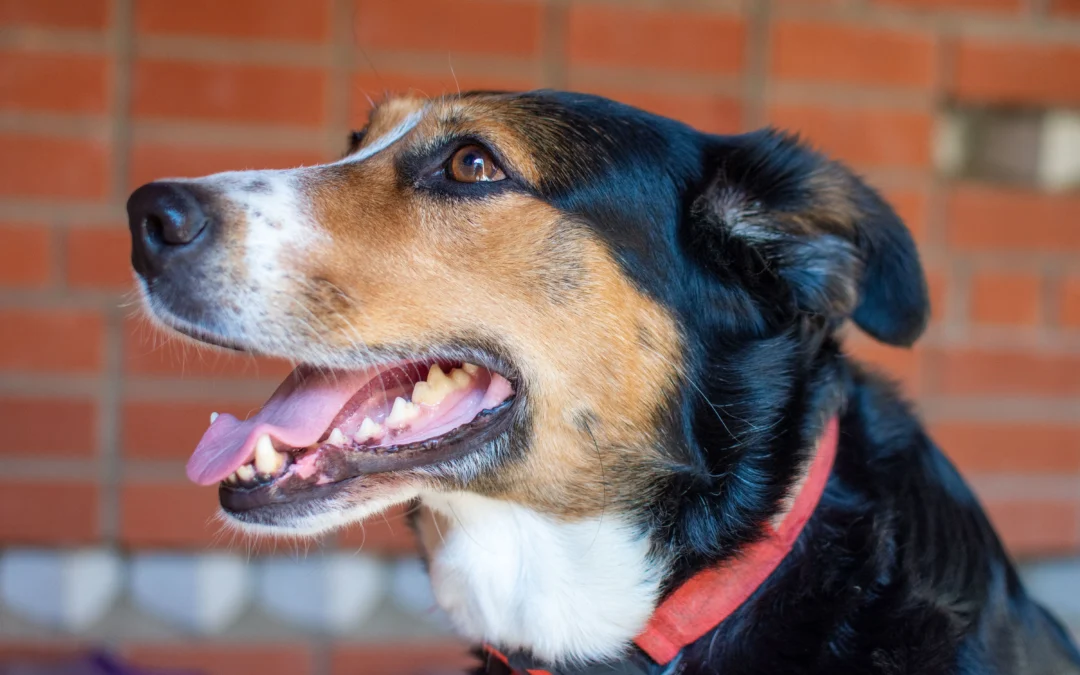
Dental Care for Dogs: A Complete Guide to Prevent Dental Disease

Dental Care for Dogs: A Complete Guide to Prevent Dental Disease

The smile of your dog is not merely a cute aspect. Good oral health includes teeth and gums and is a significant aspect of your pet's health. Dental Care for dogs is significant in taking care of the mouth and keeping your pet comfortable and healthy. Most owners give quality food, exercise and grooming, but they never remember to take care of one of the most vital aspects of care: oral hygiene.

When dogs are well taken care of in terms of their teeth, it aids in avoiding pain, infections, tooth loss, and severe health issues. Dental issues take an extended time to manifest, and dogs tend to conceal pain to the point of severe pain. That is why it should be regularly taken care of at home and at the veterinary center.

Studies on veterinary dentistry indicate that accumulation of plaque may escalate to tartar, periodontal inflammation and periodontal disease when appropriate cleaning methods are not taken seriously. Professional examinations are useful in revealing the issues which might not be observed in the process of conducting a normal home inspection.

Why Dog Dental Health Is More Important Than Most Owners Think

Millions of bacteria are present in the mouth of a dog. These bacteria combine with the bits of the food and saliva to form a sticky layer referred to as plaque. In combination with food particles and saliva, these bacteria become sticky, and create a layer after food consumption. 

Unless plaque is removed regularly, minerals in saliva harden it into tartar. Tartar cannot be easily removed by normal brushing as compared to soft plaque. It leaves a ruggedness on which additional bacteria adhere and proceed to harm the gums.

This may result in:

  • Gum inflammation
  • Tooth infections
  • Loose teeth
  • Pain while eating
  • Chronic bad breath
  • Severe dog dental disease

Bad breath is a normal thing to many dog owners, but continuous odor is a common symptom that is usually a sign of an oral illness.

Understanding How Dog Dental Disease Develops

The first step to good dental care for dogs is understanding how dental disease develops. 

Stage 1: Plaque Formation

The first stage of dental disease is plaque. It manifests itself in the form of a thin layer of bacteria on the teeth.

At this point, plaque can be removed by simply brushing, and gums can be safeguarded.

Stage 2: Tartar Buildup

The plaque that is left on the teeth hardens to tartar. The tartar is normally in the form of brown or yellow debris near the gum.

Brushing at this stage might not be sufficient.

Stage 3: Gingivitis

Bacteria attack the gums, causing inflammation. The gums are reddened, swollen or tender.

Common signs include:

  • Bad breath
  • Gum bleeding
  • Discomfort while chewing

Stage 4: Periodontal Disease

Left untreated, the infection may continue to go further below the gum line and destroy the tissues that hold the teeth.

A more severe periodontal disease may lead to:

  • Tooth loss
  • Severe mouth pain
  • Bone damage
  • Difficulty eating

The veterinary dental guidelines present periodontal disease as one of the most widespread and crucial oral health issues that occur in dogs.

Toothbrush Dental Care

Common Dog Teeth Problems Every Owner Should Recognize

There are various oral problems that can be experienced by dogs. Early diagnosis can help to avoid severe complications.

Bad Breath

Bad breath is one of the most common oral health issues. It typically refers to pooling of bacteria in the gums, gum problems or gum infection.

Broken Teeth

Dogs like to chew; however, extremely hard things may break the teeth. A broken tooth can expose the sensitive nerves and can bring about great pain.

Gum Disease

Gums that are red, swollen or bleeding could be early signs of gum disease. The condition may develop, with or without treatment, and involve the whole mouth.

Tooth Infection

A tooth infection may lead to a swollen tooth, inability to eat and a change in behavior. Oral discomfort results in some dogs being less active.

Loose Teeth

The teeth of adult dogs ought to be strong and stable. Loose teeth usually are a sign of serious dental issues.

Drooling or dropping food from the mouth

Abnormal chewing, salivating or food dropping can indicate that your dog is experiencing pain as a result of some problems with oral health.

Also, when exploring the mouth of your pet, take care to prevent any harm to the animal if there is any reason to suspect. Even the most amiable dog would bite when in pain.

Signs Your Dog Needs Dental Help

When dogs are in pain, they are not able to explain it, so the owners should pay attention to changes in the behavior of their dogs.

Your dog might be in need of dental assistance, which includes:

  • Strong mouth odor
  • Deposits on the teeth that are yellow or brown
  • Gums are red or bleeding.
  • Causing food to fall in the process of eating
  • Chewing always on a single side
  • Reduced appetite
  • Excessive drooling
  • Pawing at the mouth
  • Facial swelling
  • Loose teeth

When such symptoms are experienced, schedule an appointment with a veterinarian, instead of letting the issue become worse.

Dental Chews

Professional Dental Cleaning for Dogs: What Happens During the Procedure?

Numerous owners are not aware of professional dental cleaning. It is not merely about cleaning teeth. It is a medical practice that is aimed at eliminating harmful bacteria and assessing oral health. According to Dr. Stephanie Liff, a veterinarian and co-owner of Pure Paws Veterinary Care, professional dental cleaning allows veterinarians to identify problems such as broken teeth, infected teeth, inflammation, and issues below the gum line through examination and dental X-rays. 

An average dental cleaning for a pet might involve:

Oral Examination

The veterinarian examines the teeth, gums, and mouth. 

Dental X-Rays

There are some dental issues that are below the gum and cannot be seen on the surface. Dental X-rays are useful in assessing the health of teeth and jaw.

Scaling and Cleaning

Plaque and tartar are removed by means of special equipment on the tooth surfaces and under the gum line.

Polishing

With the cleaning process, teeth are then polished to give a less rough surface that prevents the easy attachment of plaque in the future.

Repair of Broken Teeth

In case of severe infection or damage to teeth, it might be necessary to extract them to eliminate pain and avoid further infection.

The administration of anesthesia is normally carried out when undertaking professional dental procedures since the entire cleaning process underneath the gum line requires the dog to be at ease and calm.
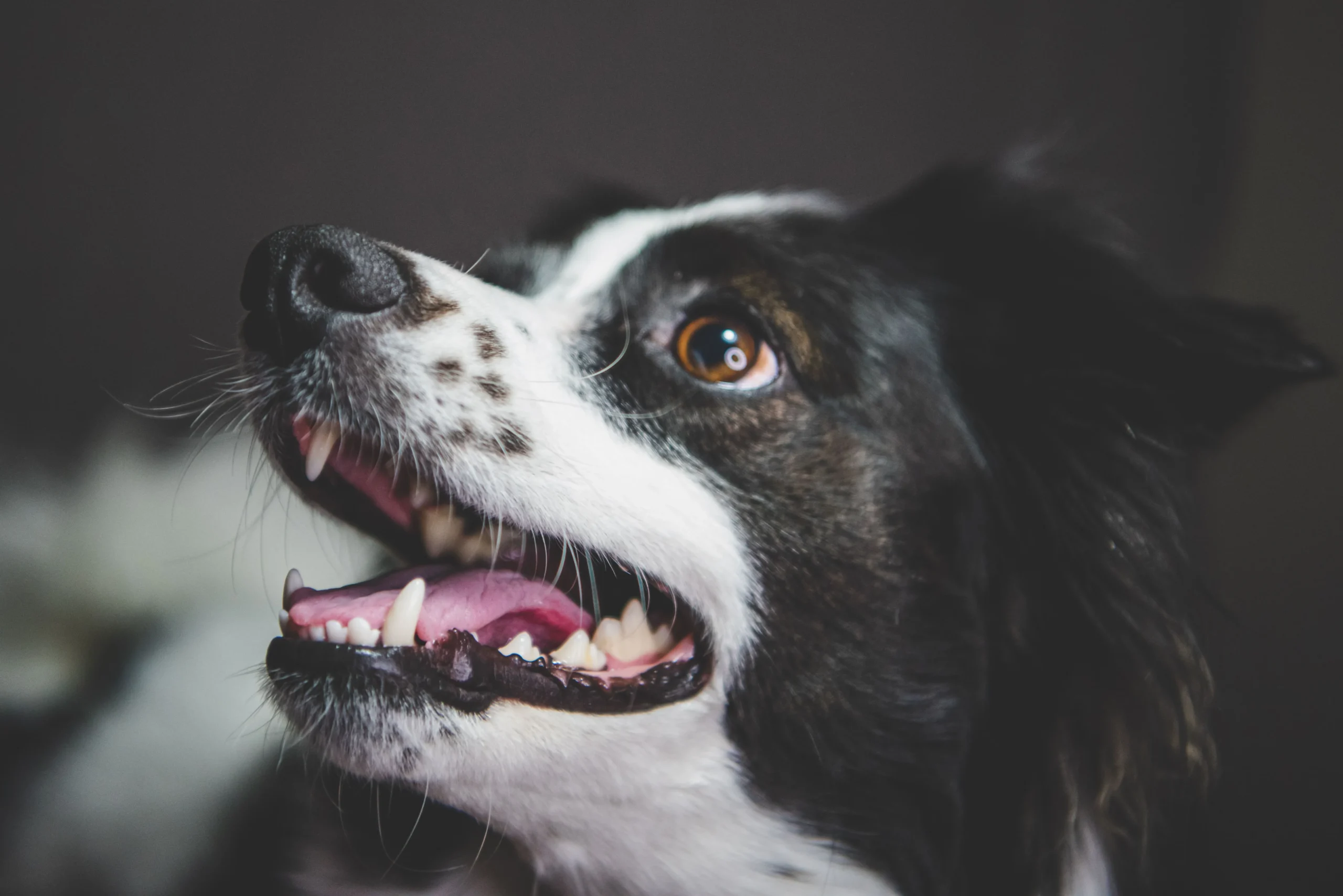
canine dental care

Which Dogs Are More at Risk of Dental Problems?

Although oral care is needed by all dogs, there are dogs that easily develop problems.

Higher-risk groups include:

  • Petite dogs with congested teeth
  • Older dogs
  • Dogs that are not brushed on a regular basis
  • Dogs with destructive chewing habits 

Small breeds may also lack a wide space between their teeth and hence it is easy to amass plaque.

How to Maintain Healthy Dog Teeth at Home

Daily habits make the largest difference, although professional dental care for dogs is important.

Brush the Teeth of Your Dog

The gold standard of at-home plaque control is considered to be tooth brushing. The most effective way is to brush every day since it physically removes bacteria prior to the formation of tartar. Brushing is helpful for removing plaque from the teeth, which can otherwise build up and cause tartar, gums to become inflamed, and periodontal disease, says Dr. Berkcan Yanar, a licensed veterinarian. 

Tips for successful brushing:

  • Apply toothpaste that is designed to be used on dogs.
  • Gradually begin and give your dog time to adapt.
  • Brush with a soft brush.
  • Reward your dog when you have brushed him.

Do not apply human toothpaste, as the ingredients of the pastes may harm pets.

Supply Dental Chews and Toys

Plaque can be prevented by using dental chews and specially made toys that promote chewing.

Yet, not all chew products are safe. Avoid overly hard materials, which can break teeth. In order to make the right choice of products, always select the right products that suit the size of your dog and its chewing habits.

Provide a Well-balanced Diet

Oral health can also be affected by nutrition. High-quality dog food may help in the maintenance of stronger teeth and gums.

There are certain diets that are actually tailored to slow down the formation of plaque and help dental care for dogs.

Minimize the sweets and human foods that may lead to accumulation of bacteria in the mouth.

How Often Should Dogs Have Dental Checkups?

Dog Dental checkups are especially important in older dogs as dental diseases are more common in older dogs.

The optimum timetable is based on:

  • Age
  • Breed
  • Dental history
  • Current oral condition

Annual oral examinations are part of routine healthcare for many dogs. 

Dental checkups for dogs are particularly crucial among older dogs, as dental disease is more prevalent in older dogs.

Frequently Asked Questions

How can I improve my dog’s teeth naturally?

Regular brushing, dental treats that are not harmful, correct nutrition, and frequent visits to the veterinarian are the best methods to improve dental care for dogs. This will prevent the build-up of plaque and reduce the chances of having a serious oral disease.

What are the signs of dog bad teeth?

The typical symptoms are bad breath, brown tartar, redness of gums, loose teeth, and difficulty in eating.

Can dog dental problems affect my dog’s overall health?

Yes. Severe oral infections may impact general health, as the bacteria and inflammation may extend out of the mouth.

How often should I brush my dog’s teeth?

It is best to brush daily. Nevertheless, a regular routine is preferable to no dental treatment.

Final Thoughts

To have a happy and comfortable dog, healthy teeth are necessary. By taking the dog to the veterinarian regularly and following uncomplicated daily routines most of the dog teeth problems can be avoided.

Dogs not only need canine dental care to avoid bad breath, but also to prevent pain, infection and other health issues in the long run.

Begin with baby steps. Wash your dog often, brush their teeth, see the doctor regularly, and apply a safe form of dentist products. The smile of your dog will help them live more years of a healthy life.
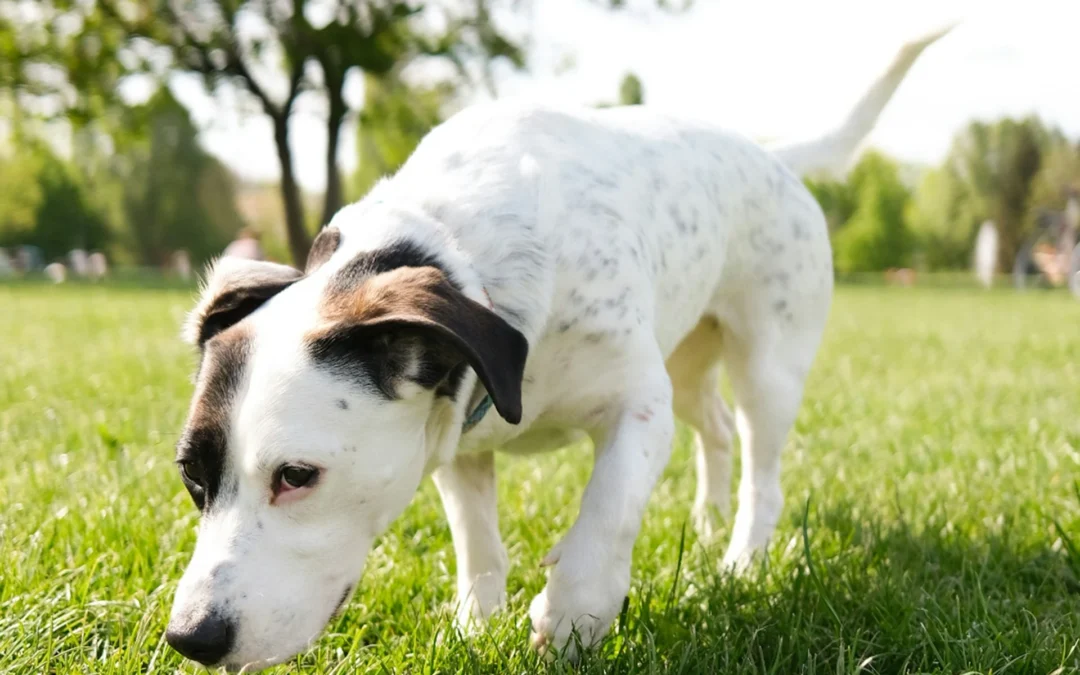
Why Do Dogs Eat Grass? Causes, Risks, and When to Worry

Why Do Dogs Eat Grass? Causes, Risks, and When to Worry

Why do dogs eat grass? Most dog parents are worried about. Let’s start to discuss!

As temperatures rise, the vibrant green grass and foliage breathe life into the season. While you may enjoy the lush grass beneath your feet, your pooch trots off into the yard, and you think, "I wonder what he's up to now."

And then your pup grazes the backyard like a tiny cow; you've probably asked yourself, "Why do dogs eat grass?” The short answer: it's usually normal. However, if your furry friend eats grass frequently, there are simple ways to help control the habit. Read on to find more!

Why Does My Dog Eat Grass?

It’s one thing for your dog to lick his paws or chew a bone, but what about eating grass? Why would a dog eat grass, and should you be concerned? You may notice this behavior on walks or in the backyard. While the reasons vary from dog to dog, there are a few common explanations.

Instinct

Why do dogs eat grass? Your pooches descended from wild canines that ate the prey, including the stomach contents of plant-eating animals. Grazing may simply be a leftover instinct.

Fiber and digestion

Grass adds roughness to the digestive tract of your furry friend, which some mutts seem to seek when they need help in digestion.

Boredom or habit

If you leave your best buddy alone in a yard for long periods, then he may nibble grass simply because it gives him something to do in boredom.

Taste and texture

Believe it or not, some pups just like the taste of fresh, dewy grass, especially in spring.

Stomach upset

This is the reason most owners assume, and it's true some of the time, but research suggests it explains only a minority of cases.

So why do dogs eat grass? It could be any of the above, and often it's a combination: a bit of boredom, a bit of taste, and a bit of instinct.

If your dog suddenly starts eating grass excessively, should you be concerned?

Why do dogs eat grass? While eating grass is usually normal, sudden, intense grass-eating can point to the following:


  • A change in diet
  • Acid reflux or nausea
  • Gastrointestinal problem
  • Nutritional deficiency
  • Anxiety

Can Dogs Eat Grass? Is It Harmless?

Generally, yes. Plain, untreated grass (pesticide-free) is not toxic to dogs, and small amounts pose little risk to your healthy pet friend. That answers "Is it ok for dogs to eat grass?" for most everyday situations; an occasional graze isn't something to worry about.

Is it safe for dogs to eat grass?

The answer depends mostly on where the pasture comes from:

Treated lawns

Fertilizers, herbicides, and pesticides can be genuinely dangerous if ingested.

Public spaces

Parks and sidewalks may carry other dogs' waste, parasites, or litter mixed into the grass.

Unknown plants

Not every green thing is grass. Some lawn shrubberies and wild plants are toxic to your furry fellow, so make sure they're actually grazing on a meadow.

If you stick to a pesticide-free yard or a clean patch of park, occasional grazing is low-risk.

Is Grass Good for Dogs?

Nutritionally, grass isn't a meaningful source of vitamins or minerals for your best buddy. Why do dogs eat grass? It's more of a behavioral habit than a dietary requisite. So, should I let my dog eat grass?

As long as:

  1. The grass is free of chemicals.
  2. Not swallowing large tufts
  3. Not replacing meat
  4. No Pica history
  5. Your pup has an up-to-date deworming schedule (due to internal parasites, eating grass with mud is quite natural).

So, is it safe for dogs to eat grass? If grass eating is occasional, then there's usually no reason to stop it.

Dog Eats Grass and Vomits: What It Means When Your Dog Ate Grass and Got Sick!

If your canine friend swallows a bulk amount of grass, it can irritate his stomach and cause vomiting. If your pooch eats grass, vomits, and quickly returns to normal, then there is nothing to worry about. You can usually monitor them closely. However, your dog does eating grass and being sick may indicate an underlying illness or that your pooch swallowed something harmful. It is also important to make sure the grass has not been treated with pesticides, herbicides, or other chemicals. Contact a vet if your best friend continues to be sick or seems unwell.

How to prevent your dog from eating grass?

  • If you think your canine's obsession with grass is related to an upset stomach, try giving him some food or milk before letting him out into the yard.
  • If your mongrel is eating grass because it's bored or stressed, you have to start the daily exercise of 15-20 minutes.
  • If your pup loves the taste or texture of leaves, consider adding dog-friendly herbs and vegetables into their diets, such as carrots, peas, and celery. You could even plant a dog-friendly herb garden, which may include rosemary, basil, and thyme.
  • If you think your dog might be missing certain nutrients in his diet, then provide proper nutrition and commercial supplements to fulfill your pooch’s body mineral requirements.
  • Also, go for the anthelmintic drug Fenbendazole to treat any underlying medical conditions causing this behavior, such as intestinal parasites.

Final Thoughts!

If your mongrel is healthy and eats a balanced diet, eating small amounts of meadow is not a problem. Why do dogs eat grass? Your canine, sugar, is doing it from boredom or depression; find ways to keep him more active or try changing his environment. Moreover, if your canine cum eats large amounts of lawn meadow or starts vomiting, you need to consult a vet professional.

Why Does My Dog Follow Me Everywhere? Reasons and When to Worry

Why Does My Dog Follow Me Everywhere? Reasons and When to Worry

We like to spend quality time with our dogs. However, there can also be occasions when we question ourselves: why does my dog do that? Why does my dog follow me everywhere? The solution must be associated with their animal instinct, pack mentality, and some other variables.

Yet, so many dogs follow us consistently and with such enthusiasm that the term “Velcro Dog” is readily understood.  Although it may be cute and lovable to see your dog trailing you wherever you go, there are other scientific explanations as to why dogs are clingy. Dr Rachel Barrack, licensed veterinarian certified in veterinary acupuncture, says that young puppies up to 6 months old can easily imprint on their owners and seek them out as they would their mother.

Then why do dogs like to trail us about? Can it ever be a symptom of a deeper problem you have to treat? These are all the answers that you will need, and when you should be concerned and what you can do if the behavior becomes excessive.

dog chew toys for aggressive chewers dogs

Reasons dogs follow their pet parents.

Dogs follow their pet parents for these reasons.

These are some of the reasons why dogs would like to be around us so much that they would trail us wherever we go.

Following the Leader

When living in a home of many individuals, it is likely that your dog will end up being attached to a particular individual. This individual is sometimes the main caregiver, feeding, walking and playing with the dog. On other occasions, it is the individual who passes out snacks most of the time. Or it might be simply the most fun individual. Dogs receive all that they require out of people and will tend to follow the individual who takes them to the places which they value most.

Besides, as long as your dog was adopted as a puppy, then she can be imprinted on you, and she will really seem that you are her dog mother.

A sign of attachment and love

A strong emotional bond is demonstrated when your dog follows you all the time. They think that you are a great addition to their lives and wish to have as much time with you as they can get. Actually, they even prefer being uncomfortable as long as they are with you.

Oxytocin is a hormone released when canines are interacting with a person that they desire. Oxytocin is generally referred to as the love hormone, and it is what makes you feel warm when you are in the presence of a person whom you like. Dogs are so sociable, and they want to be with their owners. You become the world to your dog, and to be with you is a big part of their lives. You make them feel pleased, secure and sound and they like spending time with their best friend.

Separation anxiety or A medical problem

Some dogs are very difficult to manage when left by themselves and will always stay with their owners since they don't like to be without them. Upon the owner's departure, these dogs can become anxious, stressed, or even go into a state of panic. Because they cannot tolerate being on their own, they come with us in order to always be with us and to avoid any separation. Mostly, it needs the assistance of a veterinarian or a canine behaviorist in order to handle this condition.

In other cases, a dog that suddenly begins to stalk their owner can also be symptomatic of discomfort, pain or illness. Should the expression of this behavior be attended to by other abnormal changes, such as refusal to eat or drink, or to play, then a veterinarian should be consulted as soon as possible.

Boredom, Needs Attention

When your dog is always with you, this may be an indication that they do not have activities. Dogs require physical and mental exercise. A dog would also want to remain near you when its needs are not being met in a bid to draw your attention. Your dog might desire to take a walk, have a sniff in the open air or just have a bit of playtime with you.

A possible cause of dogs following their owners is also given by the Royal Kennel Club: boredom. Dogs can be entertained with regular walks, chew toys and food puzzles.

Following the Routine

Surprisingly, dogs have remarkably high abilities to pick up patterns in our everyday lives. They are aware of when you are going to cook them something, pick up the leash, go to work or relax in the evening. Due to this, your dog would end up following you just because they think that something would happen. As an example, when you typically walk them after dinner, they might start to follow you around the house as that time approaches. When it comes to following you, in this scenario, it is not always connected to clinginess; your dog has just been conditioned to do things in a certain order and would not like to miss the next part.

Looking for Something From You

On some occasions, your dog might be trailing you for a reason. It might be near the time of eating, its water bowl might be empty, it might need to go out, or it might be wishing that you will take its leash up, or bring out its favourite toy. Dogs are fast to see which of their actions attracts a reaction; then, following you can become one of the ways they ask for what they want.

This habit can become even stronger by your reaction. When all you do is be with your dog, please, love him or feed him, then he will probably follow you around even more. When sticking to you has become part of your dog's routine, and you frequently reward them by petting them, giving them treats or playing with them, then your dog may learn that being near you results in reward. Consequently, the behaviour can persist merely due to being reinforced over time.

dog is best friend2

When Should You Worry About Your Dog Following You?

It is generally not a problem to follow you around, particularly when your dog has always been close with you. A sudden change of behaviour is of greater importance. When a dog which usually is independent begins to trail you everywhere, becomes more restless than usual, or cannot relax without you nearby, it may be well worth attention.

The other changes to watch out for are loss of appetite, energy, excessive whining, sleep disturbances, limping, house-soiling or an abrupt loss of interest in playing. Anxiety associated with separation may also be an issue in dogs which panic when left alone, bark or howl, chew doors or are destructive.

In case the clinginess is sudden or there are any abnormal physical or behavioural symptoms, then discuss it with your veterinarian. You are much more likely going to notice when the normal changes when you know what is normal with the dog.


Helping Your Dog Become More Independent

This is not to stop your dog from wanting to be around you, but to make them feel at ease when you are not right beside them. Start with small changes. Provide your dog with a place to rest with a favourite toy or puzzle feeder and reward him when he or she comes to rest there as opposed to trailing you through room after room.

It can also help to have regular walks, play time and short training sessions. A dog which receives sufficient physical activity as well as mental stimulation is more inclined to relax alone. Cues like stay and place can also be used, particularly in instances where you require your dog to be in a single position, but you wish to move around the house.

Veterinary behaviourist Dr Karen Overall focuses on calm behaviour in the case of anxious dogs: “Affected dogs can also be trained to become less anxious; a behaviour protocol combination can achieve this. Gradually, increase the length of time that your dog is left unattended, across the room or in a different room instead of leaving him alone suddenly.

In case there are other individuals living in the house, allow them to participate in walks, feeding and play also. This will make your dog have a close relationship with you, without relying on you for every activity or source of comfort.


Are Some Dogs More Likely to Follow You?

The fact that a dog is with you everywhere is largely determined by the dog’s personality, routine, and how it relates to you. Nevertheless, certain breeds might tend to remain closer due to what they were originally bred to do.

Companion breeds, such as Chihuahuas, like to be with their owners. Some breeds, such as Border Collies and Labrador Retrievers, might also trail their owners, as they were bred to work alongside humans and pay attention to their cues. They can just be observing what you will do next.

Conversely, other terrier breeds may be more independent, and they might be content to do their own thing. Breed is a factor that affects behavior, although it does not determine everything. The personalities and attachment levels of even dogs of the same breed can be very different.

On most occasions, when a dog is always following you around, that is just a part of the intimate relationship you have with them. It is important that your dog is able to relax and feel comfortable even when you are not by their side. Note the variations in their normal conduct, but otherwise there is nothing miss in having the pleasant company of your little four-legged shadow.

Signs Your Dog Needs a Vet: 15 Critical Warning Signs Every Owner Should Know

Signs Your Dog Needs a Vet: 15 Critical Warning Signs Every Owner Should Know

Dogs can't tell you when something's wrong. They can't point to their stomach or say "this has been bothering me for three days." That's why knowing the signs your dog needs a vet matters so much. Miss the wrong ones, and a treatable problem turns into an emergency. Catch them early, and you might save your dog a lot of pain, and yourself a much bigger vet bill. This guide walks through 15 warning signs that mean it's time to call the vet, plus how to tell the difference between "keep an eye on it" and "go now."

How Do I Know If My Dog Needs a Vet?

Here's the honest answer: you know your dog better than anyone, including any article on the internet. The best gauge is change. If your usually food-obsessed lab suddenly ignores dinner, that's data. If your couch potato beagle refuses her evening walk two days in a row, that's data too.

Vets often say the same thing: trust the pattern, not the panic. One skipped meal probably isn't a crisis. A skipped meal plus lethargy plus vomiting is a different story. Below are the specific signs of illness in dogs that deserve your attention, roughly grouped from "watch closely" to "go now."

how to know if your dog needs a vet

1. Sudden Loss of Appetite

A dog who won't eat for more than 24 hours needs attention, especially if it's paired with anything else on this list. Some dogs skip a single meal for boring reasons like hot weather or a new food. But refusing food for two days straight is one of the more common signs your dog needs a vet, particularly in puppies and small breeds who can crash fast without calories.

2. Repeated Vomiting

One episode of vomiting after eating too fast or scarfing grass isn't usually alarming. Vomiting three or more times in a day, or vomiting that continues into a second day, is different. Watch for blood, a coffee-ground texture, or vomiting paired with a swollen belly. That combination is one of the clearest symptoms your dog needs emergency care, since it can point to bloat, a blockage, or poisoning.

3. Diarrhea That Won't Quit

Soft stool once in a while happens. Diarrhea lasting more than 24 to 48 hours, especially with blood, black tarry stool, or visible weakness, calls for a same-day vet visit. Puppies dehydrate fast, so don't wait it out with them.

4. Lethargy That Doesn't Match the Day

Every dog has a lazy afternoon. But a dog who won't get up, won't greet you at the door, or seems disconnected from what's happening around them is telling you something. Lethargy is one of the more overlooked signs of illness in dogs because it's easy to write off as "just tired." Trust your gut here.

5. Difficulty Breathing

Labored breathing, blue-tinged gums, or breathing that sounds raspy or wheezy is never a "wait and see" situation. This is one of the clearest signs your dog needs emergency veterinary care, full stop. Don't Google it first. Go.

6. A Swollen or Bloated Abdomen

A hard, distended belly, especially paired with dry heaving that doesn't produce vomit, can mean gastric dilatation-volvulus, better known as bloat. It's fast-moving and can be fatal within hours. Large, deep-chested breeds like Great Danes and German Shepherds are most at risk. This one belongs firmly on the list of what symptoms in dogs require immediate veterinary care.

7. Collapsing or Sudden Weakness

If your dog's legs give out, or they seem disoriented and unsteady, treat it as an emergency. Causes range from heart problems to internal bleeding to heatstroke, and none of them improve with waiting.

8. Seizures

A seizure, even a short one, warrants a call to your vet. A single brief seizure in an otherwise healthy dog might not mean rush to the ER, but multiple seizures in a day, or a seizure lasting more than a few minutes, absolutely does.

9. Pale or Blue Gums

Healthy gums are usually a pink shade. Pale, white, or blue gums signal poor oxygen flow or blood loss. Lift your dog's lip and check when they're calm, so you know what's normal for them and can spot the difference fast.

10. Straining to Urinate or No Urine at All

This one gets missed a lot, especially in male dogs. Straining to pee, crying out, or producing no urine can mean a urinary blockage, which turns life-threatening within a day. If you notice repeated trips outside with nothing happening, don't wait until morning.

11. Eye Injuries or Sudden Squinting

A scratched cornea, sudden squinting, or a visibly injured eye needs same-day care. Eyes don't heal well on their own, and delays can mean permanent damage.

12. Ingesting Something Toxic

Chocolate, grapes, xylitol (found in sugar-free gum), rat poison, certain plants. If you know or suspect your dog ate something toxic, call your vet or a pet poison hotline immediately, even if your dog seems fine right now. Some toxins take hours to show symptoms.

13. A Bloated or Painful Belly After Trauma

If your dog was hit by a car, fell from a height, or got into a fight, internal injuries aren't always visible. A dog can seem okay and then decline hours later. Any trauma, even without obvious wounds, is worth an exam.

14. Extreme Thirst or Urination Changes

A sudden spike in water intake, or the opposite, refusing water altogether, can point to kidney issues, diabetes, or infection. This isn't usually an emergency-room sign, but it is one of the signs of illness in dogs that deserves a vet visit within a day or two.

15. Persistent Coughing

An occasional cough, especially after excitement or exercise, isn't unusual. A cough that persists for days, worsens at night, or comes with a honking sound could point to kennel cough, heart disease, or something stuck in the throat. If it's paired with breathing trouble, treat it as urgent.

dog health care tips

What Are the Warning Signs of a Sick Dog?

If you're trying to shortcut this whole list, here's the pattern to watch for: any sudden change in eating, energy, breathing, or bathroom habits. Dogs are creatures of routine. When that routine breaks without an obvious reason, like a new food or hot weather, it's worth paying attention.

Combine two or more symptoms from this list and the odds go up that something real is going on. A dog who's just a little tired is probably fine. A dog who's tired, not eating, and hiding under the bed is not.

When Should I Take My Dog to an Emergency Vet?

Go straight to an emergency vet, don't wait for your regular clinic to open, if you see any of these:

  • Difficulty breathing or blue gums
  • A hard, swollen belly with unproductive retching
  • Collapse or inability to stand
  • Seizures lasting more than a couple of minutes, or multiple seizures
  • Suspected poisoning
  • Major trauma from a fall, car accident, or fight
  • No urine output for over 24 hours
  • Heavy, uncontrolled bleeding

These are the symptoms your dog needs emergency care for, and none of them get better with a "let's see how he's doing tomorrow" approach.

What Symptoms In Dogs Require Immediate Veterinary Care?

Worth repeating, because it's the question that matters most when you're standing in your kitchen at 11pm wondering what to do: breathing trouble, bloated abdomen, collapse, seizures, suspected poisoning, and major trauma are the ones that can't wait. Everything else on this list still deserves a call to your vet, but these six can turn fatal within hours.

Trust Your Instincts

You don't need a veterinary degree to notice when your dog isn't acting like themselves. That instinct, the one that makes you pause and think "something's off," is usually right. Vets would rather get a call about a false alarm than miss the window on something serious.

If you're ever unsure whether what you're seeing counts among the signs your dog needs a vet, call the clinic and describe it. Most vet techs can help you figure out over the phone whether it's a "come in now" situation or a "keep watching" one. That five-minute call is a lot cheaper, in every sense, than guessing wrong.

Your dog can't ask for help. Watching for these signs is how you help them anyway.