
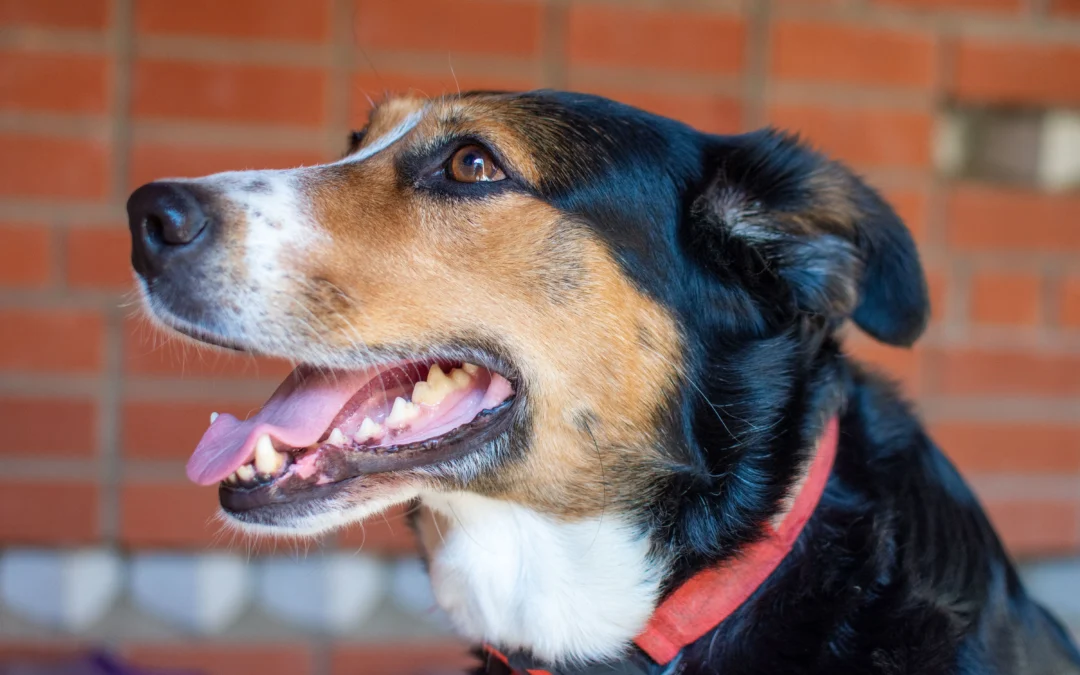
Dental Care for Dogs: A Complete Guide to Prevent Dental Disease
The smile of your dog is not merely a cute aspect. Good oral health includes teeth and gums and is a significant aspect of your pet's health. Dental Care for dogs is significant in taking care of the mouth and keeping your pet comfortable and healthy. Most owners give quality food, exercise and grooming, but they never remember to take care of one of the most vital aspects of care: oral hygiene.
When dogs are well taken care of in terms of their teeth, it aids in avoiding pain, infections, tooth loss, and severe health issues. Dental issues take an extended time to manifest, and dogs tend to conceal pain to the point of severe pain. That is why it should be regularly taken care of at home and at the veterinary center.
Studies on veterinary dentistry indicate that accumulation of plaque may escalate to tartar, periodontal inflammation and periodontal disease when appropriate cleaning methods are not taken seriously. Professional examinations are useful in revealing the issues which might not be observed in the process of conducting a normal home inspection.
Why Dog Dental Health Is More Important Than Most Owners Think
Millions of bacteria are present in the mouth of a dog. These bacteria combine with the bits of the food and saliva to form a sticky layer referred to as plaque. In combination with food particles and saliva, these bacteria become sticky, and create a layer after food consumption.
Unless plaque is removed regularly, minerals in saliva harden it into tartar. Tartar cannot be easily removed by normal brushing as compared to soft plaque. It leaves a ruggedness on which additional bacteria adhere and proceed to harm the gums.
This may result in:
- Gum inflammation
- Tooth infections
- Loose teeth
- Pain while eating
- Chronic bad breath
- Severe dog dental disease
Bad breath is a normal thing to many dog owners, but continuous odor is a common symptom that is usually a sign of an oral illness.
Understanding How Dog Dental Disease Develops
The first step to good dental care for dogs is understanding how dental disease develops.
Stage 1: Plaque Formation
The first stage of dental disease is plaque. It manifests itself in the form of a thin layer of bacteria on the teeth.
At this point, plaque can be removed by simply brushing, and gums can be safeguarded.
Stage 2: Tartar Buildup
The plaque that is left on the teeth hardens to tartar. The tartar is normally in the form of brown or yellow debris near the gum.
Brushing at this stage might not be sufficient.
Stage 3: Gingivitis
Bacteria attack the gums, causing inflammation. The gums are reddened, swollen or tender.
Common signs include:
- Bad breath
- Gum bleeding
- Discomfort while chewing
Stage 4: Periodontal Disease
Left untreated, the infection may continue to go further below the gum line and destroy the tissues that hold the teeth.
A more severe periodontal disease may lead to:
- Tooth loss
- Severe mouth pain
- Bone damage
- Difficulty eating
The veterinary dental guidelines present periodontal disease as one of the most widespread and crucial oral health issues that occur in dogs.
Common Dog Teeth Problems Every Owner Should Recognize
There are various oral problems that can be experienced by dogs. Early diagnosis can help to avoid severe complications.
Bad Breath
Bad breath is one of the most common oral health issues. It typically refers to pooling of bacteria in the gums, gum problems or gum infection.
Broken Teeth
Dogs like to chew; however, extremely hard things may break the teeth. A broken tooth can expose the sensitive nerves and can bring about great pain.
Gum Disease
Gums that are red, swollen or bleeding could be early signs of gum disease. The condition may develop, with or without treatment, and involve the whole mouth.
Tooth Infection
A tooth infection may lead to a swollen tooth, inability to eat and a change in behavior. Oral discomfort results in some dogs being less active.
Loose Teeth
The teeth of adult dogs ought to be strong and stable. Loose teeth usually are a sign of serious dental issues.
Drooling or dropping food from the mouth
Abnormal chewing, salivating or food dropping can indicate that your dog is experiencing pain as a result of some problems with oral health.
Also, when exploring the mouth of your pet, take care to prevent any harm to the animal if there is any reason to suspect. Even the most amiable dog would bite when in pain.
Signs Your Dog Needs Dental Help
When dogs are in pain, they are not able to explain it, so the owners should pay attention to changes in the behavior of their dogs.
Your dog might be in need of dental assistance, which includes:
- Strong mouth odor
- Deposits on the teeth that are yellow or brown
- Gums are red or bleeding.
- Causing food to fall in the process of eating
- Chewing always on a single side
- Reduced appetite
- Excessive drooling
- Pawing at the mouth
- Facial swelling
- Loose teeth
When such symptoms are experienced, schedule an appointment with a veterinarian, instead of letting the issue become worse.
Professional Dental Cleaning for Dogs: What Happens During the Procedure?
Numerous owners are not aware of professional dental cleaning. It is not merely about cleaning teeth. It is a medical practice that is aimed at eliminating harmful bacteria and assessing oral health. According to Dr. Stephanie Liff, a veterinarian and co-owner of Pure Paws Veterinary Care, professional dental cleaning allows veterinarians to identify problems such as broken teeth, infected teeth, inflammation, and issues below the gum line through examination and dental X-rays.
An average dental cleaning for a pet might involve:
Oral Examination
The veterinarian examines the teeth, gums, and mouth.
Dental X-Rays
There are some dental issues that are below the gum and cannot be seen on the surface. Dental X-rays are useful in assessing the health of teeth and jaw.
Scaling and Cleaning
Plaque and tartar are removed by means of special equipment on the tooth surfaces and under the gum line.
Polishing
With the cleaning process, teeth are then polished to give a less rough surface that prevents the easy attachment of plaque in the future.
Repair of Broken Teeth
In case of severe infection or damage to teeth, it might be necessary to extract them to eliminate pain and avoid further infection.
The administration of anesthesia is normally carried out when undertaking professional dental procedures since the entire cleaning process underneath the gum line requires the dog to be at ease and calm.

Which Dogs Are More at Risk of Dental Problems?
Although oral care is needed by all dogs, there are dogs that easily develop problems.
Higher-risk groups include:
- Petite dogs with congested teeth
- Older dogs
- Dogs that are not brushed on a regular basis
- Dogs with destructive chewing habits
Small breeds may also lack a wide space between their teeth and hence it is easy to amass plaque.
How to Maintain Healthy Dog Teeth at Home
Daily habits make the largest difference, although professional dental care for dogs is important.
Brush the Teeth of Your Dog
The gold standard of at-home plaque control is considered to be tooth brushing. The most effective way is to brush every day since it physically removes bacteria prior to the formation of tartar. Brushing is helpful for removing plaque from the teeth, which can otherwise build up and cause tartar, gums to become inflamed, and periodontal disease, says Dr. Berkcan Yanar, a licensed veterinarian.
Tips for successful brushing:
- Apply toothpaste that is designed to be used on dogs.
- Gradually begin and give your dog time to adapt.
- Brush with a soft brush.
- Reward your dog when you have brushed him.
Do not apply human toothpaste, as the ingredients of the pastes may harm pets.
Supply Dental Chews and Toys
Plaque can be prevented by using dental chews and specially made toys that promote chewing.
Yet, not all chew products are safe. Avoid overly hard materials, which can break teeth. In order to make the right choice of products, always select the right products that suit the size of your dog and its chewing habits.
Provide a Well-balanced Diet
Oral health can also be affected by nutrition. High-quality dog food may help in the maintenance of stronger teeth and gums.
There are certain diets that are actually tailored to slow down the formation of plaque and help dental care for dogs.
Minimize the sweets and human foods that may lead to accumulation of bacteria in the mouth.
How Often Should Dogs Have Dental Checkups?
Dog Dental checkups are especially important in older dogs as dental diseases are more common in older dogs.
The optimum timetable is based on:
- Age
- Breed
- Dental history
- Current oral condition
Annual oral examinations are part of routine healthcare for many dogs.
Dental checkups for dogs are particularly crucial among older dogs, as dental disease is more prevalent in older dogs.
Frequently Asked Questions
How can I improve my dog’s teeth naturally?
Regular brushing, dental treats that are not harmful, correct nutrition, and frequent visits to the veterinarian are the best methods to improve dental care for dogs. This will prevent the build-up of plaque and reduce the chances of having a serious oral disease.
What are the signs of dog bad teeth?
The typical symptoms are bad breath, brown tartar, redness of gums, loose teeth, and difficulty in eating.
Can dog dental problems affect my dog’s overall health?
Yes. Severe oral infections may impact general health, as the bacteria and inflammation may extend out of the mouth.
How often should I brush my dog’s teeth?
It is best to brush daily. Nevertheless, a regular routine is preferable to no dental treatment.
Final Thoughts
To have a happy and comfortable dog, healthy teeth are necessary. By taking the dog to the veterinarian regularly and following uncomplicated daily routines most of the dog teeth problems can be avoided.
Dogs not only need canine dental care to avoid bad breath, but also to prevent pain, infection and other health issues in the long run.
Begin with baby steps. Wash your dog often, brush their teeth, see the doctor regularly, and apply a safe form of dentist products. The smile of your dog will help them live more years of a healthy life.