

We like to spend quality time with our dogs. However, there can also be occasions when we question ourselves: why does my dog do that? Why does my dog follow me everywhere? The solution must be associated with their animal instinct, pack mentality, and some other variables.
Yet, so many dogs follow us consistently and with such enthusiasm that the term “Velcro Dog” is readily understood. Although it may be cute and lovable to see your dog trailing you wherever you go, there are other scientific explanations as to why dogs are clingy. Dr Rachel Barrack, licensed veterinarian certified in veterinary acupuncture, says that young puppies up to 6 months old can easily imprint on their owners and seek them out as they would their mother.
Then why do dogs like to trail us about? Can it ever be a symptom of a deeper problem you have to treat? These are all the answers that you will need, and when you should be concerned and what you can do if the behavior becomes excessive.

Reasons dogs follow their pet parents.
Dogs follow their pet parents for these reasons.
These are some of the reasons why dogs would like to be around us so much that they would trail us wherever we go.
Following the Leader
When living in a home of many individuals, it is likely that your dog will end up being attached to a particular individual. This individual is sometimes the main caregiver, feeding, walking and playing with the dog. On other occasions, it is the individual who passes out snacks most of the time. Or it might be simply the most fun individual. Dogs receive all that they require out of people and will tend to follow the individual who takes them to the places which they value most.
Besides, as long as your dog was adopted as a puppy, then she can be imprinted on you, and she will really seem that you are her dog mother.
A sign of attachment and love
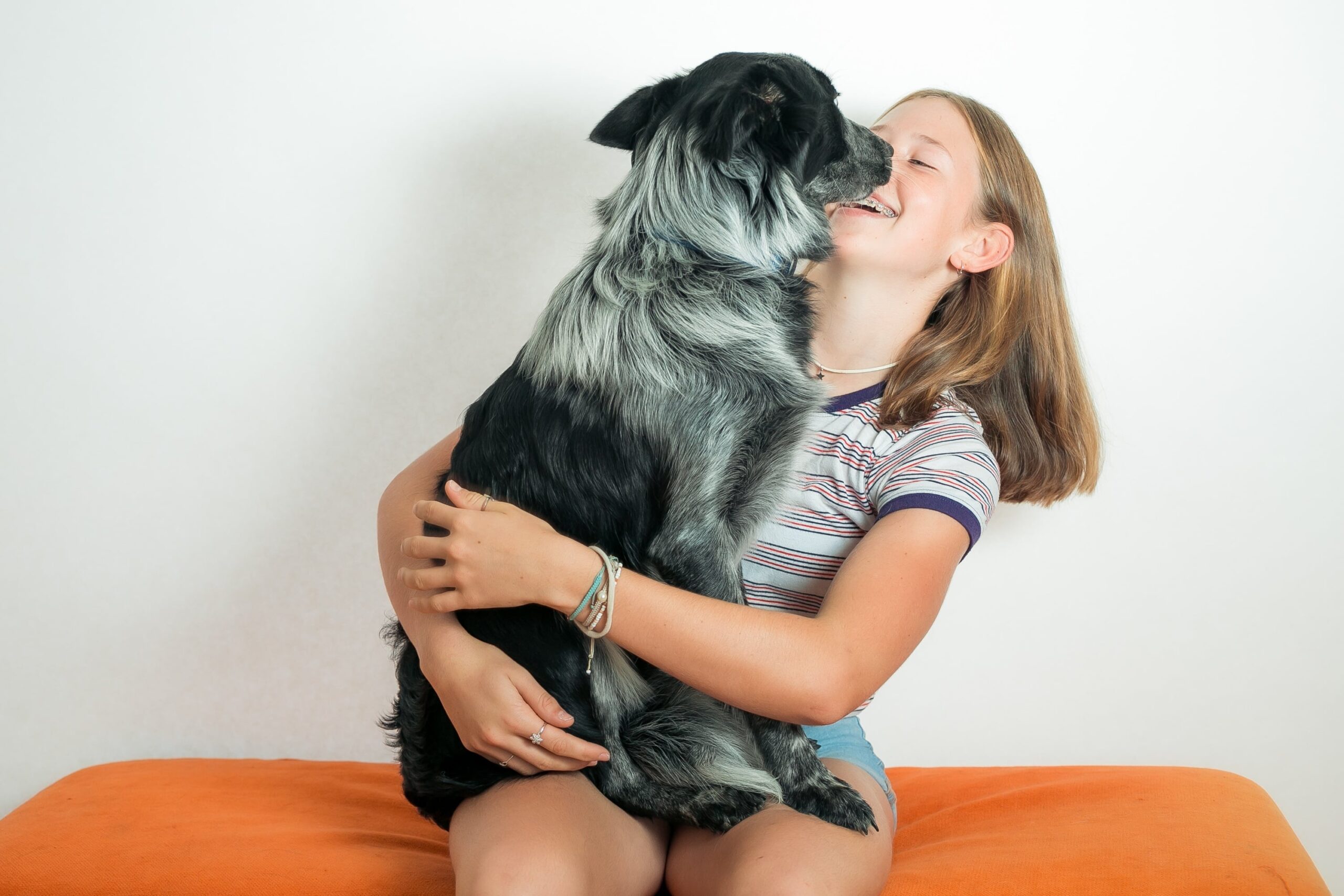
A strong emotional bond is demonstrated when your dog follows you all the time. They think that you are a great addition to their lives and wish to have as much time with you as they can get. Actually, they even prefer being uncomfortable as long as they are with you.
Oxytocin is a hormone released when canines are interacting with a person that they desire. Oxytocin is generally referred to as the love hormone, and it is what makes you feel warm when you are in the presence of a person whom you like. Dogs are so sociable, and they want to be with their owners. You become the world to your dog, and to be with you is a big part of their lives. You make them feel pleased, secure and sound and they like spending time with their best friend.
Separation anxiety or A medical problem
Some dogs are very difficult to manage when left by themselves and will always stay with their owners since they don't like to be without them. Upon the owner's departure, these dogs can become anxious, stressed, or even go into a state of panic. Because they cannot tolerate being on their own, they come with us in order to always be with us and to avoid any separation. Mostly, it needs the assistance of a veterinarian or a canine behaviorist in order to handle this condition.
In other cases, a dog that suddenly begins to stalk their owner can also be symptomatic of discomfort, pain or illness. Should the expression of this behavior be attended to by other abnormal changes, such as refusal to eat or drink, or to play, then a veterinarian should be consulted as soon as possible.
Boredom, Needs Attention
When your dog is always with you, this may be an indication that they do not have activities. Dogs require physical and mental exercise. A dog would also want to remain near you when its needs are not being met in a bid to draw your attention. Your dog might desire to take a walk, have a sniff in the open air or just have a bit of playtime with you.
A possible cause of dogs following their owners is also given by the Royal Kennel Club: boredom. Dogs can be entertained with regular walks, chew toys and food puzzles.
Following the Routine
Surprisingly, dogs have remarkably high abilities to pick up patterns in our everyday lives. They are aware of when you are going to cook them something, pick up the leash, go to work or relax in the evening. Due to this, your dog would end up following you just because they think that something would happen. As an example, when you typically walk them after dinner, they might start to follow you around the house as that time approaches. When it comes to following you, in this scenario, it is not always connected to clinginess; your dog has just been conditioned to do things in a certain order and would not like to miss the next part.
Looking for Something From You
On some occasions, your dog might be trailing you for a reason. It might be near the time of eating, its water bowl might be empty, it might need to go out, or it might be wishing that you will take its leash up, or bring out its favourite toy. Dogs are fast to see which of their actions attracts a reaction; then, following you can become one of the ways they ask for what they want.
This habit can become even stronger by your reaction. When all you do is be with your dog, please, love him or feed him, then he will probably follow you around even more. When sticking to you has become part of your dog's routine, and you frequently reward them by petting them, giving them treats or playing with them, then your dog may learn that being near you results in reward. Consequently, the behaviour can persist merely due to being reinforced over time.
When Should You Worry About Your Dog Following You?
It is generally not a problem to follow you around, particularly when your dog has always been close with you. A sudden change of behaviour is of greater importance. When a dog which usually is independent begins to trail you everywhere, becomes more restless than usual, or cannot relax without you nearby, it may be well worth attention.
The other changes to watch out for are loss of appetite, energy, excessive whining, sleep disturbances, limping, house-soiling or an abrupt loss of interest in playing. Anxiety associated with separation may also be an issue in dogs which panic when left alone, bark or howl, chew doors or are destructive.
In case the clinginess is sudden or there are any abnormal physical or behavioural symptoms, then discuss it with your veterinarian. You are much more likely going to notice when the normal changes when you know what is normal with the dog.
Helping Your Dog Become More Independent
This is not to stop your dog from wanting to be around you, but to make them feel at ease when you are not right beside them. Start with small changes. Provide your dog with a place to rest with a favourite toy or puzzle feeder and reward him when he or she comes to rest there as opposed to trailing you through room after room.
It can also help to have regular walks, play time and short training sessions. A dog which receives sufficient physical activity as well as mental stimulation is more inclined to relax alone. Cues like stay and place can also be used, particularly in instances where you require your dog to be in a single position, but you wish to move around the house.
Veterinary behaviourist Dr Karen Overall focuses on calm behaviour in the case of anxious dogs: “Affected dogs can also be trained to become less anxious; a behaviour protocol combination can achieve this. Gradually, increase the length of time that your dog is left unattended, across the room or in a different room instead of leaving him alone suddenly.
In case there are other individuals living in the house, allow them to participate in walks, feeding and play also. This will make your dog have a close relationship with you, without relying on you for every activity or source of comfort.
Are Some Dogs More Likely to Follow You?
The fact that a dog is with you everywhere is largely determined by the dog’s personality, routine, and how it relates to you. Nevertheless, certain breeds might tend to remain closer due to what they were originally bred to do.
Companion breeds, such as Chihuahuas, like to be with their owners. Some breeds, such as Border Collies and Labrador Retrievers, might also trail their owners, as they were bred to work alongside humans and pay attention to their cues. They can just be observing what you will do next.
Conversely, other terrier breeds may be more independent, and they might be content to do their own thing. Breed is a factor that affects behavior, although it does not determine everything. The personalities and attachment levels of even dogs of the same breed can be very different.
On most occasions, when a dog is always following you around, that is just a part of the intimate relationship you have with them. It is important that your dog is able to relax and feel comfortable even when you are not by their side. Note the variations in their normal conduct, but otherwise there is nothing miss in having the pleasant company of your little four-legged shadow.